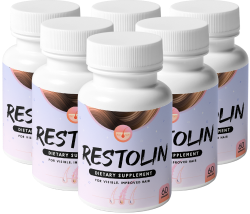
 Restolin
Read Restolin by the Full Serving
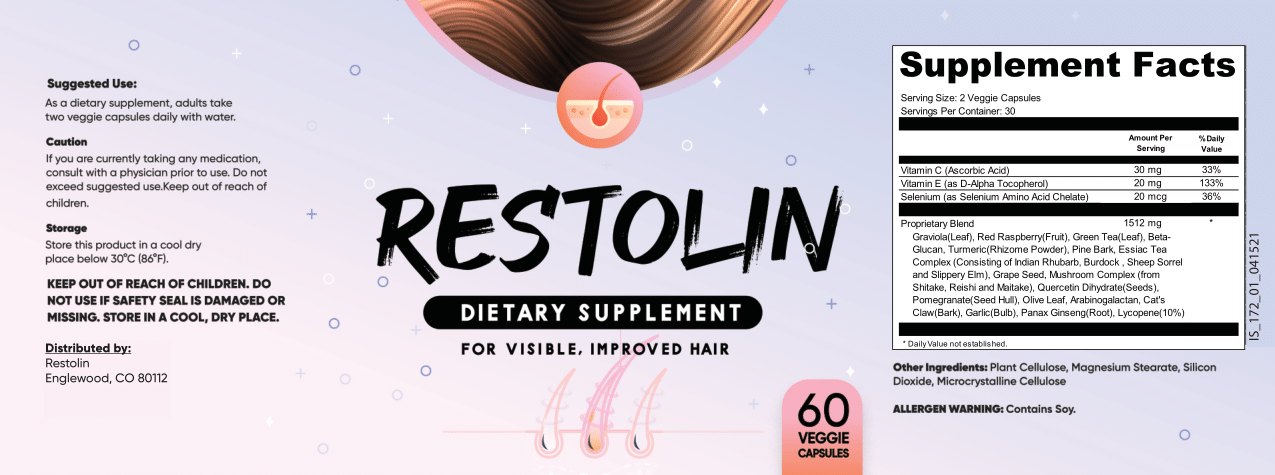
Restolin’s ingredient list is best understood in two parts: individually measured nutrients and a combined botanical blend. Each serving is two veggie capsules. A bottle contains 60 capsules, giving 30 servings when used according to the label. The numbers on the Supplement Facts panel refer to that two-capsule serving, not to a single capsule.
Vitamin C is listed at 30 mg as ascorbic acid, vitamin E at 20 mg as D-alpha tocopherol and selenium at 20 mcg as selenium amino acid chelate. The proprietary blend has a total weight of 1,512 mg. Within that blend, the label identifies numerous plants, mushrooms and other ingredients, but does not give a separate weight for each.
The illustrations below cover 18 featured ingredient groups. They help distinguish familiar plant names and parts, while the full label adds red raspberry fruit, selenium, supporting ingredients and the soy warning. Use both the ingredient overview and the complete panel when comparing Restolin with another supplement.
Vitamins C and E, Plus Selenium
The measured nutrient lines make it possible to compare actual quantities. Vitamin C appears as ascorbic acid, while vitamin E appears as D-alpha tocopherol. Keeping the nutrient name, form and amount together is more informative than assuming every product that lists a vitamin uses the same preparation or quantity.
Selenium is measured in micrograms, shown as mcg, rather than milligrams. Restolin provides 20 mcg per serving. This difference in units is important when you review several labels side by side; a larger-looking number can be misleading if the unit is different. Avoid adding numbers until you have checked their units and serving sizes.
If you already use a multivitamin, a hair supplement or an individual vitamin product, bring those labels together for review. Restolin is an addition to your total intake, not an isolated set of numbers. A professional can help you decide whether the combination makes sense for your needs.
The 18 Featured Ingredient Groups
Graviola is identified as leaf, and turmeric as rhizome powder. These plant parts help define the ingredients more accurately than a general botanical name. Grape seed is a separate ingredient from grape juice or fruit, while pomegranate is identified as seed hull. The distinctions matter when comparing products that feature the same plant on their packaging.
The mushroom complex contains shiitake, reishi and maitake. It appears as one group within the blend, alongside a separate beta-glucan entry. The label does not split the mushroom complex into individual species amounts. People with mushroom allergies should pay particular attention to this group before considering use.
Olive leaf, garlic bulb, green tea leaf and Panax ginseng root add further botanical variety. Each name identifies either a specific plant, a part of the plant or both. For example, olive leaf does not mean olive oil, and Panax ginseng should not be assumed identical to every product sold under the general name ginseng.
Pine bark and cat’s claw bark extend the herbal profile. Essiac tea complex is itself a combination: Indian rhubarb, burdock, sheep sorrel and slippery elm. The word tea describes the complex, but Restolin supplies it inside capsules, so no beverage preparation is involved.
Quercetin dihydrate, arabinogalactan and lycopene round out the featured blend components. The label describes lycopene as 10%, which is an ingredient specification rather than its percentage of the whole supplement. Vitamins C and E complete the 18 illustrated groups, while selenium and red raspberry fruit are also part of the full formula.
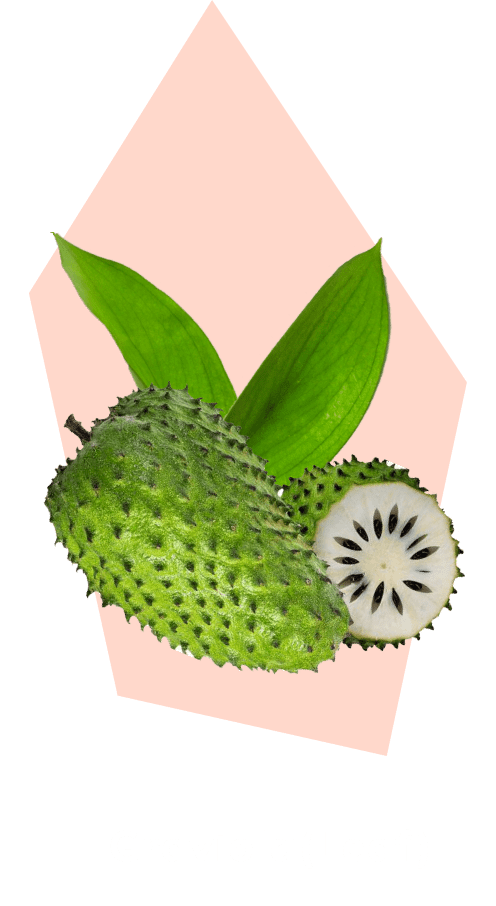
Graviola (Leaf)
Graviola leaf brings a named botanical component to Restolin’s broad plant blend. The leaf is the part identified in the formula, making it distinct from the edible fruit. It sits alongside tea, spices and other botanicals in a capsule designed around nutritional support for healthy hair.
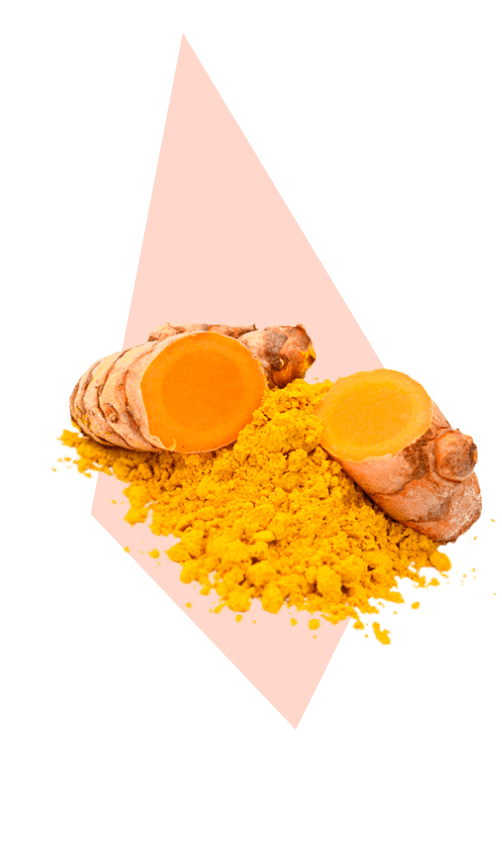
Turmeric
Turmeric appears in Restolin as rhizome powder, the familiar underground portion of the plant. It adds a spice-derived botanical to the formula’s varied ingredient profile. Its presence complements the vitamin and plant mixture without requiring you to prepare a separate drink, paste or scalp application.
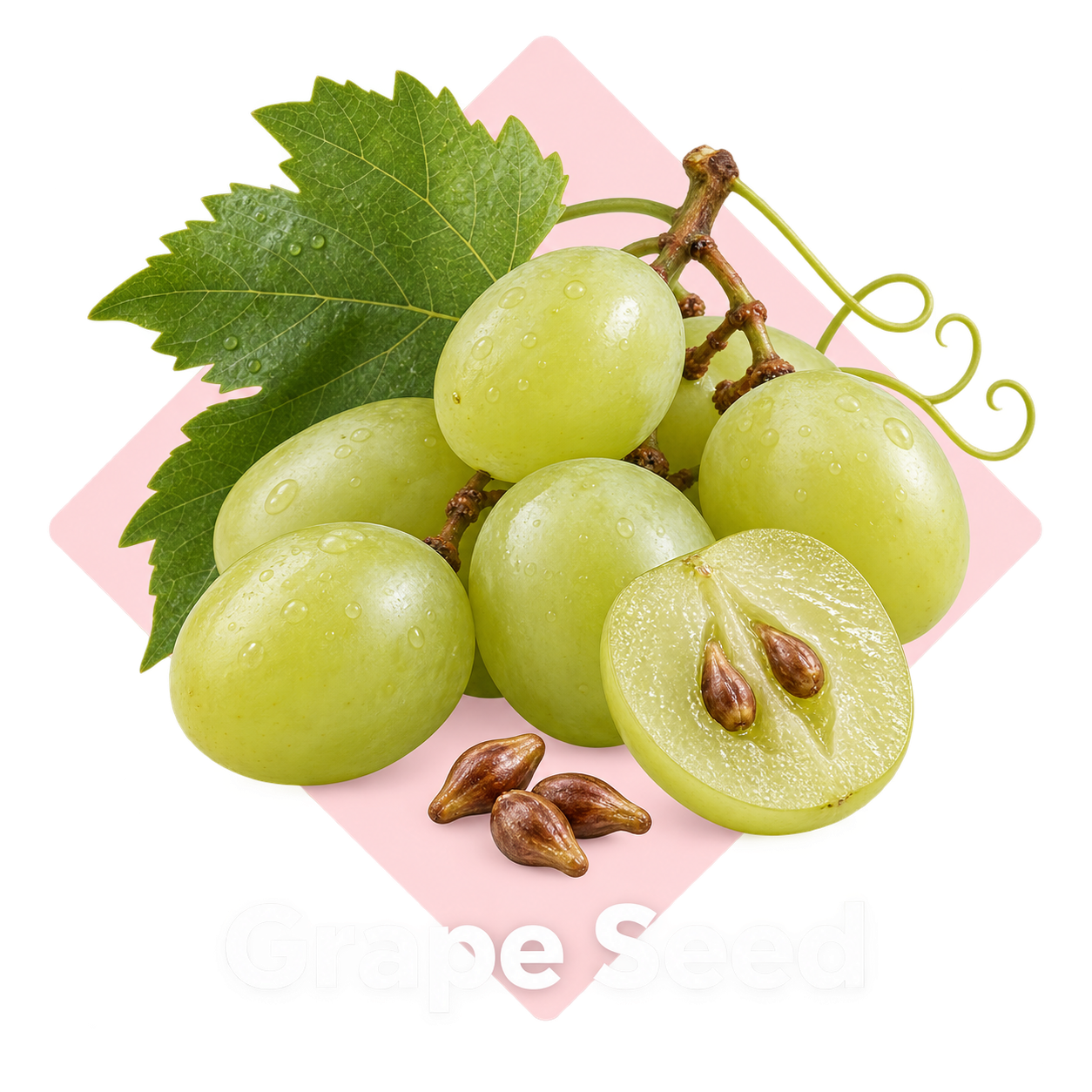
Grape Seed
Grape seed contributes another plant ingredient to the Restolin blend. The seed matters here: grape seed preparations are different from grape juice, fruit powder or grape skin products. Restolin combines this ingredient with other botanical components in one capsule routine, with the individual quantity included within the overall blend.
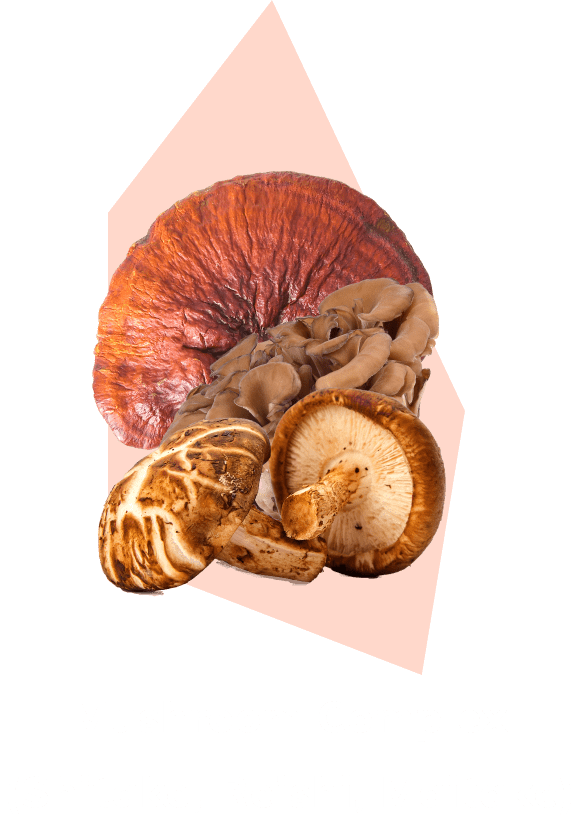
Mushroom Complex (Shiitake, Reishi, Maitake)
The mushroom complex brings together shiitake, reishi and maitake in a single named group. This gives Restolin a broader ingredient profile than a vitamin-only formula. All three mushrooms are part of the blend, so anyone with a mushroom allergy should review suitability with a healthcare professional before starting.
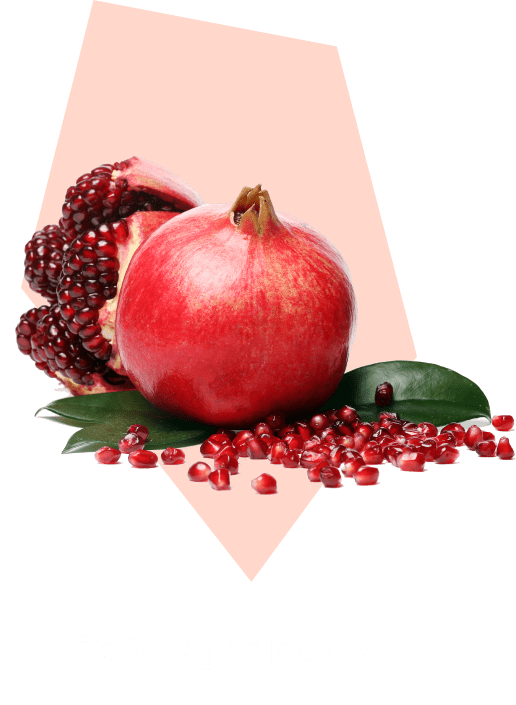
Pomegranate
Pomegranate is included as seed hull in the product label. This identifies the plant material more precisely than a general fruit name. Alongside grape seed, olive leaf and other botanicals, it contributes to Restolin’s varied plant profile while keeping the preparation within the same convenient capsule format.
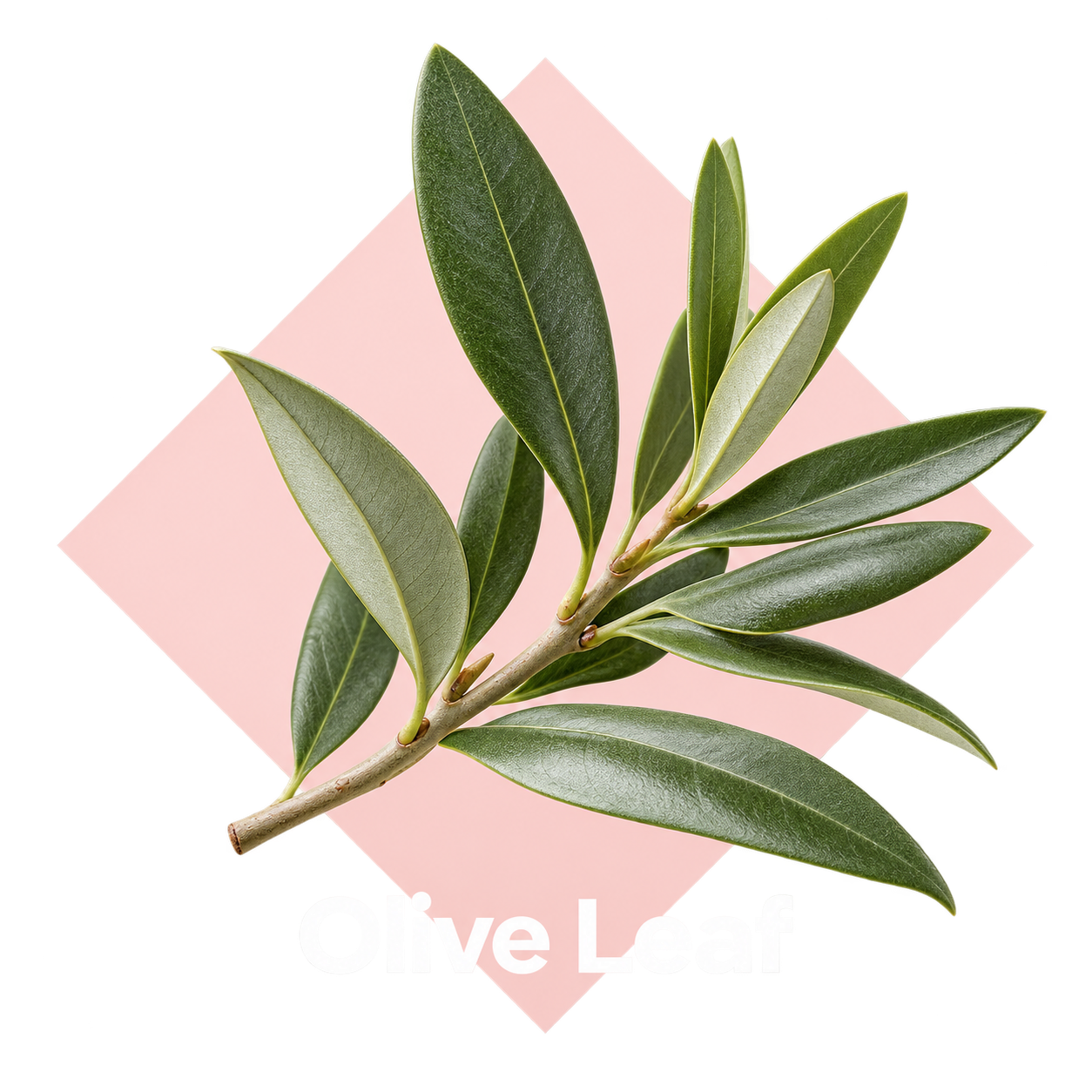
Olive Leaf
Olive leaf is the leaf-based component in Restolin, separate from olive oil or olive fruit. That distinction helps when comparing this formula with other supplements that use different parts of the same plant. It is one of several botanicals combined with vitamins C and E in the overall formula.
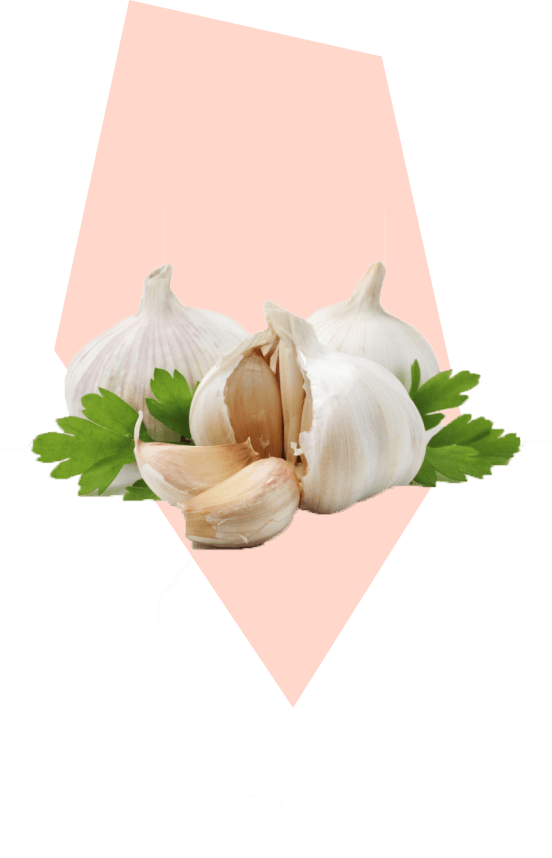
Garlic
Garlic is listed as bulb within Restolin’s proprietary blend. Its familiar food name makes the formula easier to recognize, although a supplement ingredient is different from a serving of garlic in a meal. It adds another botanical component without changing the product’s straightforward, water-based capsule routine.
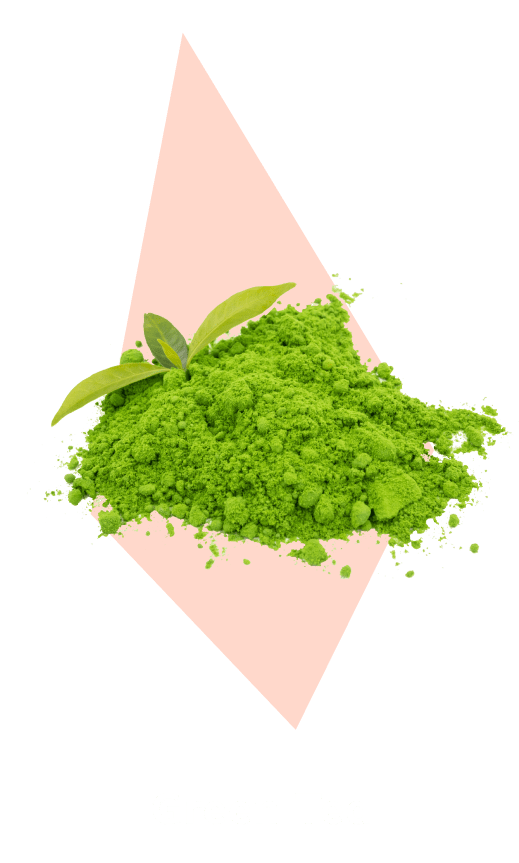
Green Tea
Green tea appears as leaf in the Restolin blend. You receive it as part of the capsule formula rather than as a brewed beverage, so the supplement does not involve steeping tea or choosing a flavor. The label does not identify a separate caffeine quantity or a standardized catechin percentage.
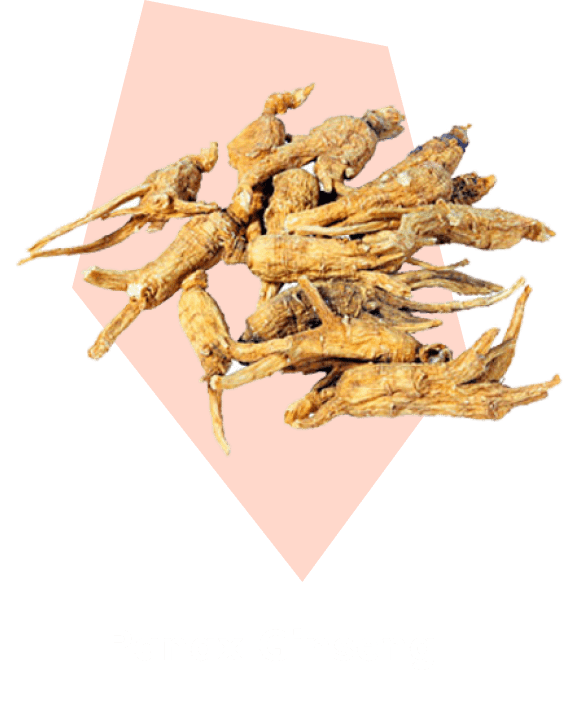
Panax Ginseng
Panax ginseng is included as root, giving this traditional botanical a defined place in the formula. The species name is useful because products described simply as ginseng can contain different plants. Restolin groups Panax ginseng with the other botanical ingredients rather than disclosing an individual root-extract amount.
Vitamin C
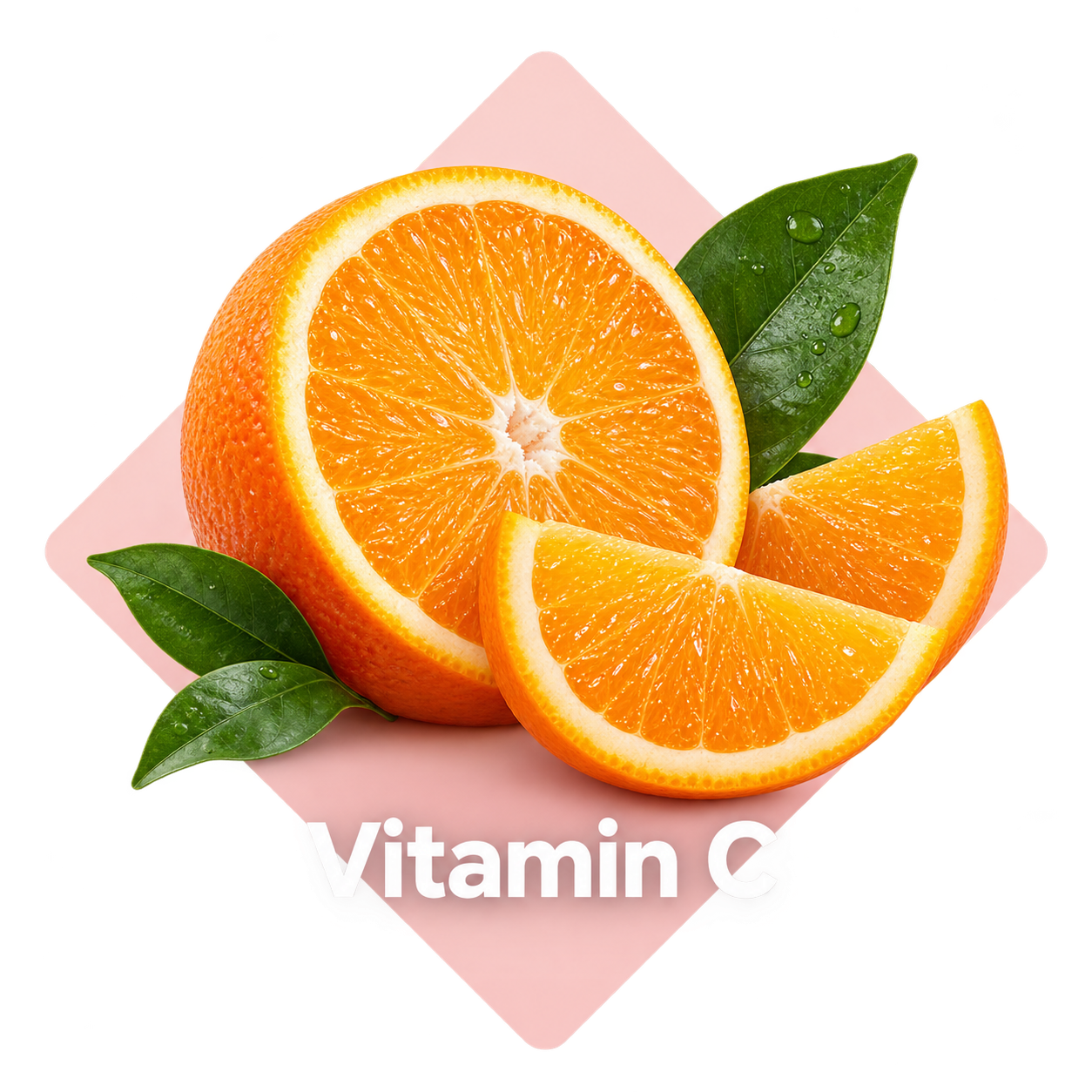
Vitamin C is supplied as ascorbic acid at 30 mg per two-capsule serving. This is one of the individually measured nutrients on Restolin’s label. Knowing the amount makes it easier to compare the product with a multivitamin or another supplement you already use, instead of relying on ingredient names alone.
Vitamin E
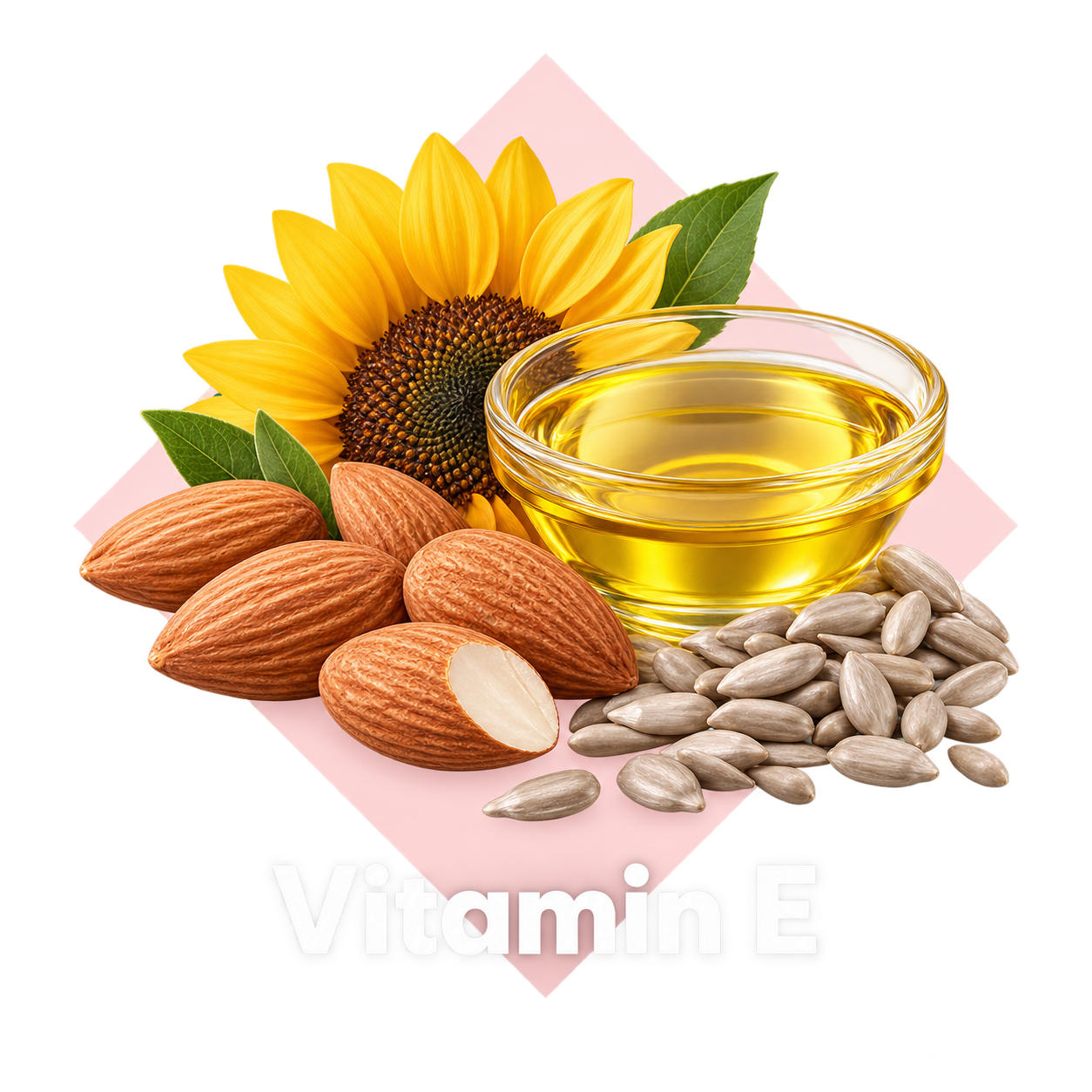
Vitamin E is listed as D-alpha tocopherol, providing 20 mg per two-capsule serving. It contributes to Restolin’s antioxidant nutrition focus. Its precise form and amount are useful when reviewing your overall supplement intake, especially if an existing multivitamin or dedicated vitamin E product is already part of your routine.
Beta-Glucan
Beta-glucan adds a separately named component alongside the mushroom complex in Restolin. These entries should not be treated as interchangeable: the label lists both. Beta-glucan belongs to the combined proprietary blend, so the total blend weight does not tell you its individual amount or the source used for this ingredient.
Pine Bark
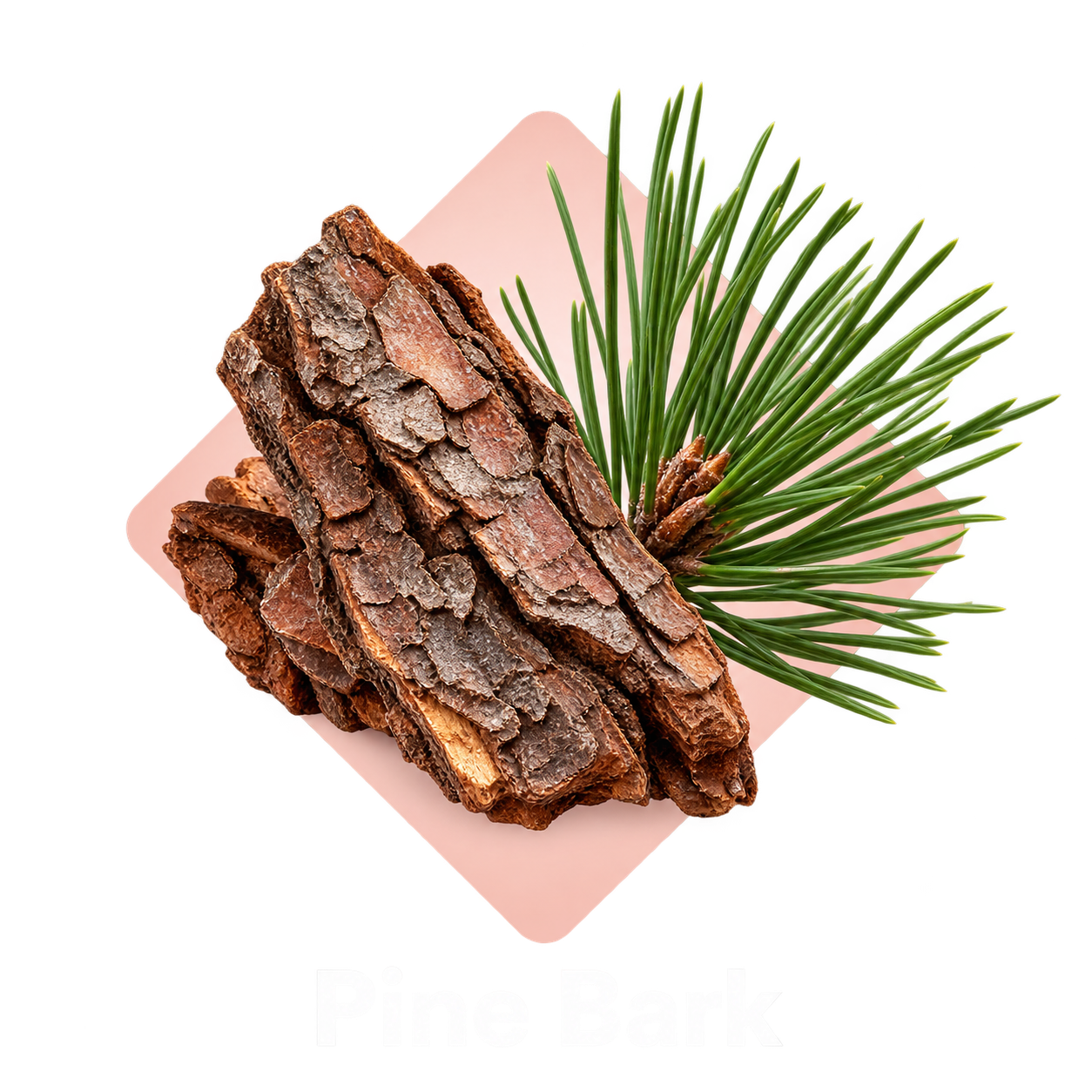
Pine bark is another botanical in Restolin’s combined formula. It is identified by plant part, which helps distinguish it from pine needle products or essential oils. The ingredient is included within the total blend; the label does not specify a separate pine bark quantity or a standardized extract concentration.
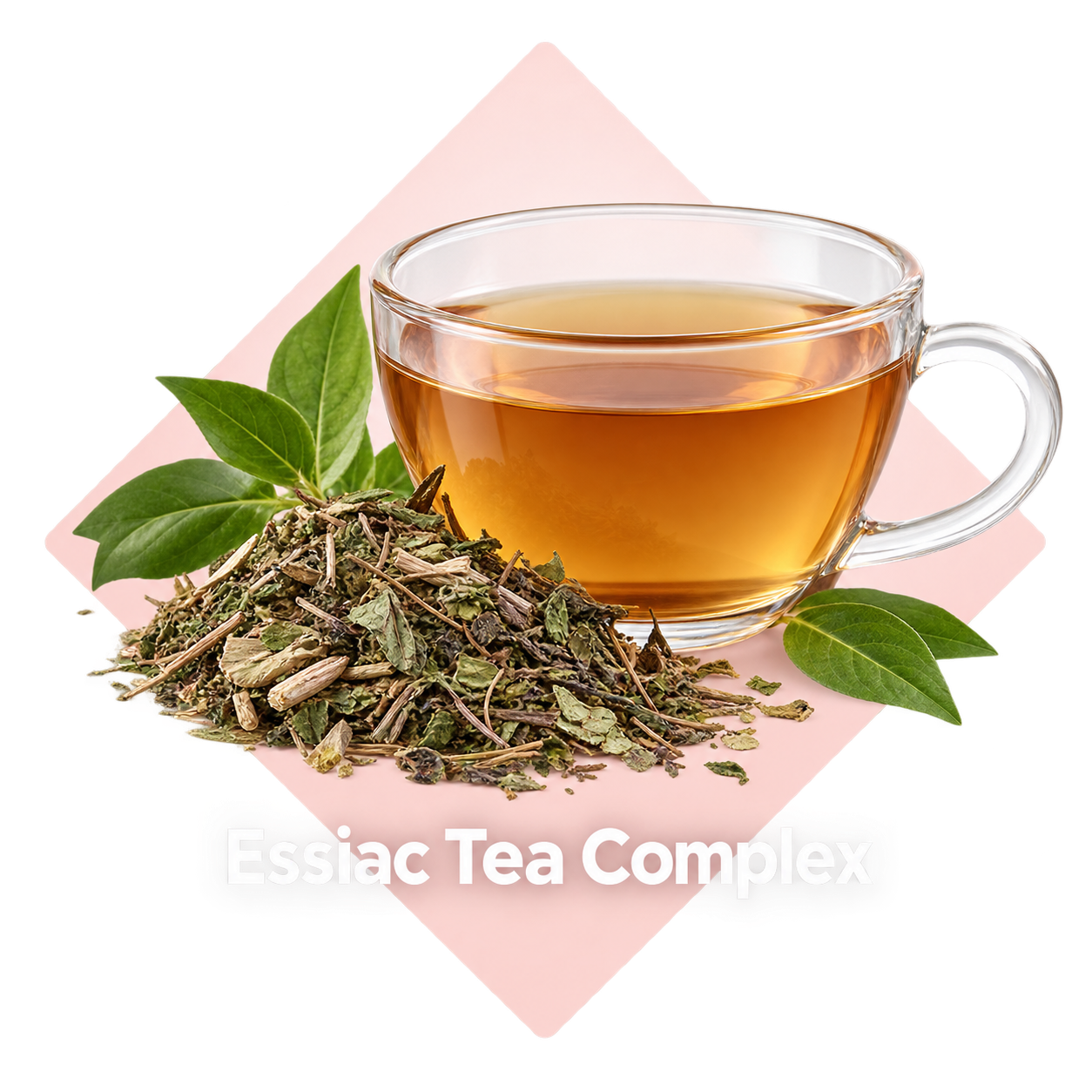
Essiac Tea Complex
Essiac tea complex combines Indian rhubarb, burdock, sheep sorrel and slippery elm. These four components make up a named herbal group inside Restolin’s larger blend. Despite the word tea, no brewing is required: the complex is already included in the capsules, alongside the other listed plant ingredients.
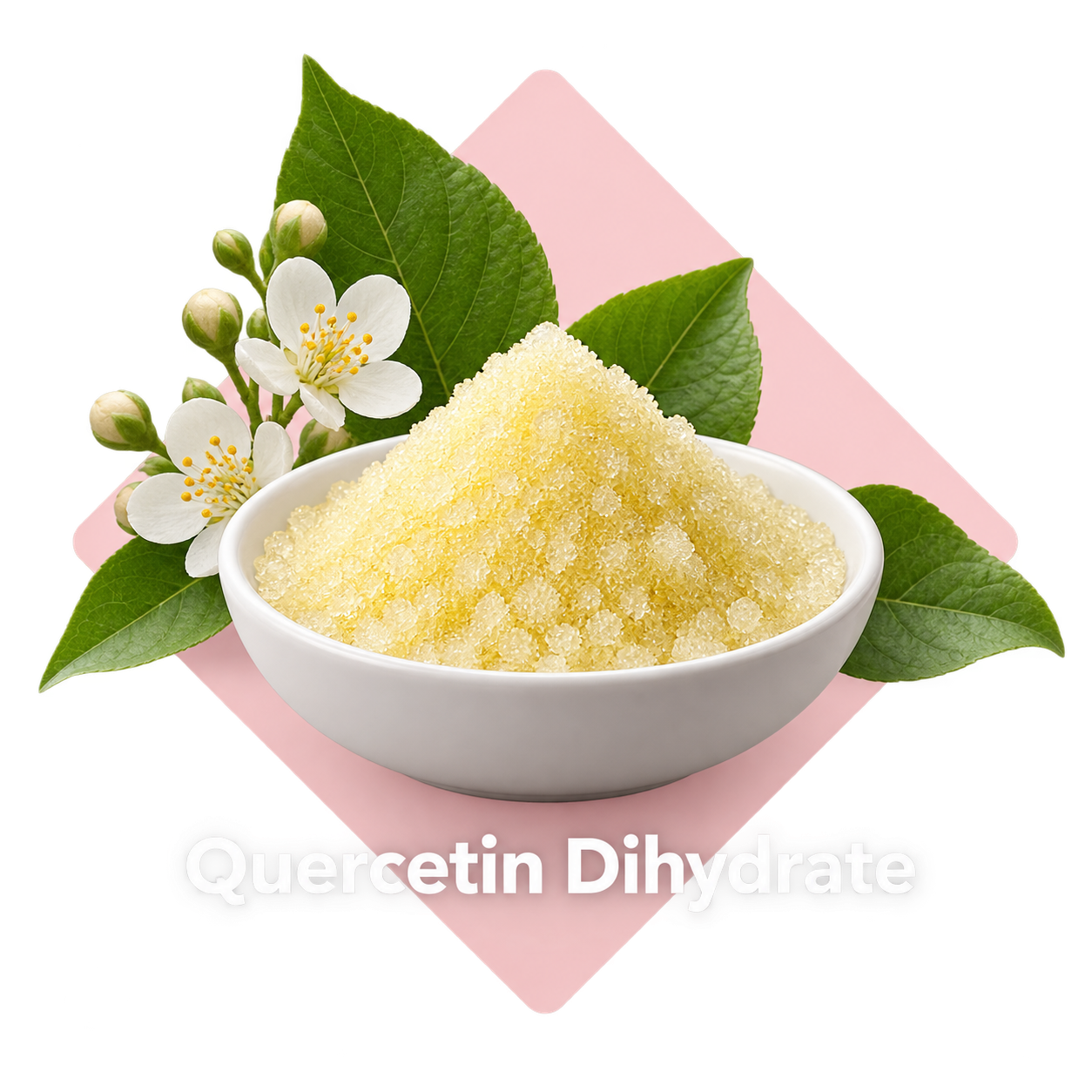
Quercetin Dihydrate
Quercetin dihydrate is a specifically named component in Restolin’s proprietary blend. The name distinguishes the ingredient form from a general list of fruits or vegetables. It complements the formula’s plant-focused profile, while its individual quantity remains part of the combined blend rather than a separate measured line on the label.
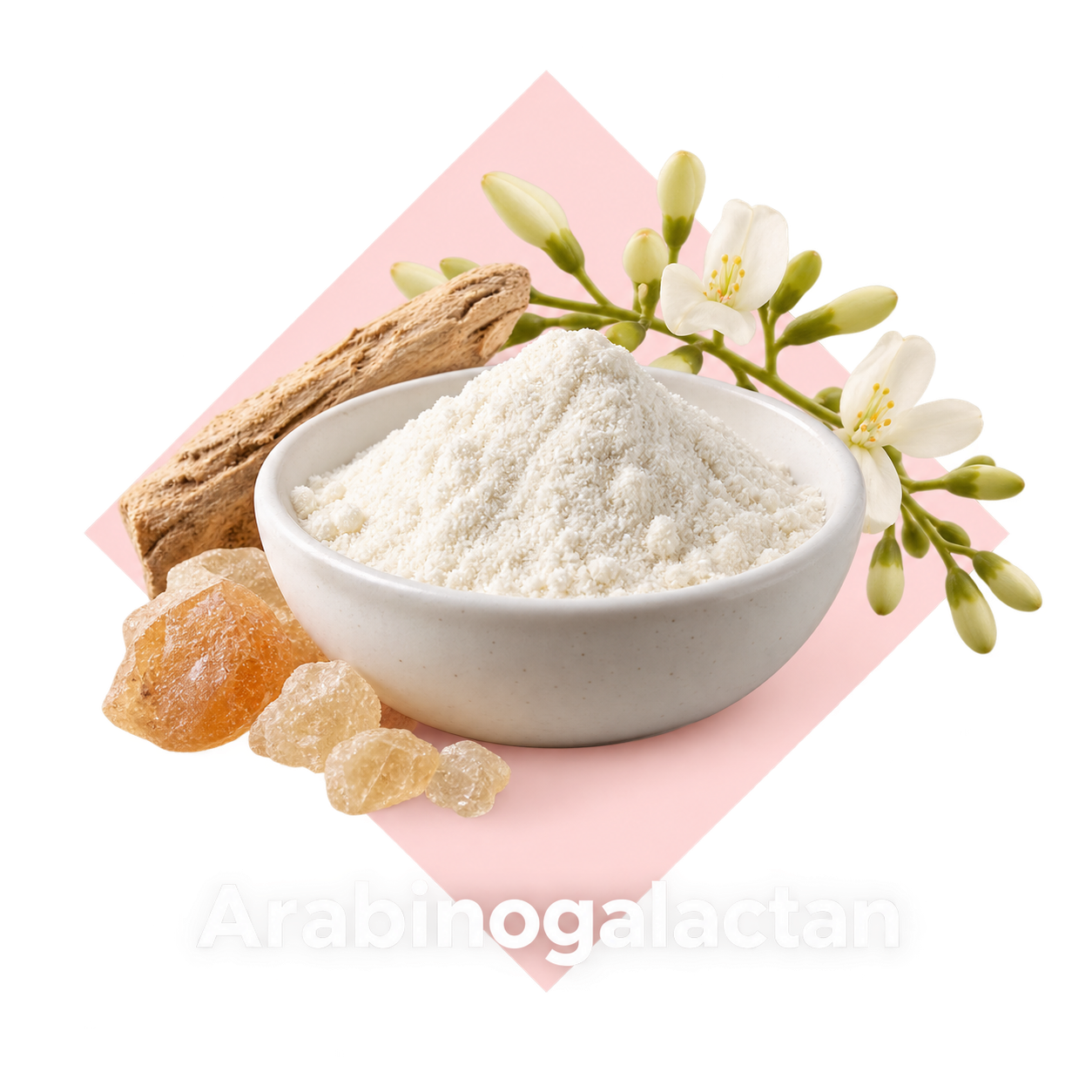
Arabinogalactan
Arabinogalactan is included alongside beta-glucan and the botanical ingredients. It is another example of why the full ingredient list is more informative than the front bottle alone. Restolin groups it within the proprietary blend, so comparing individual arabinogalactan doses requires more information than the blend’s total weight provides.
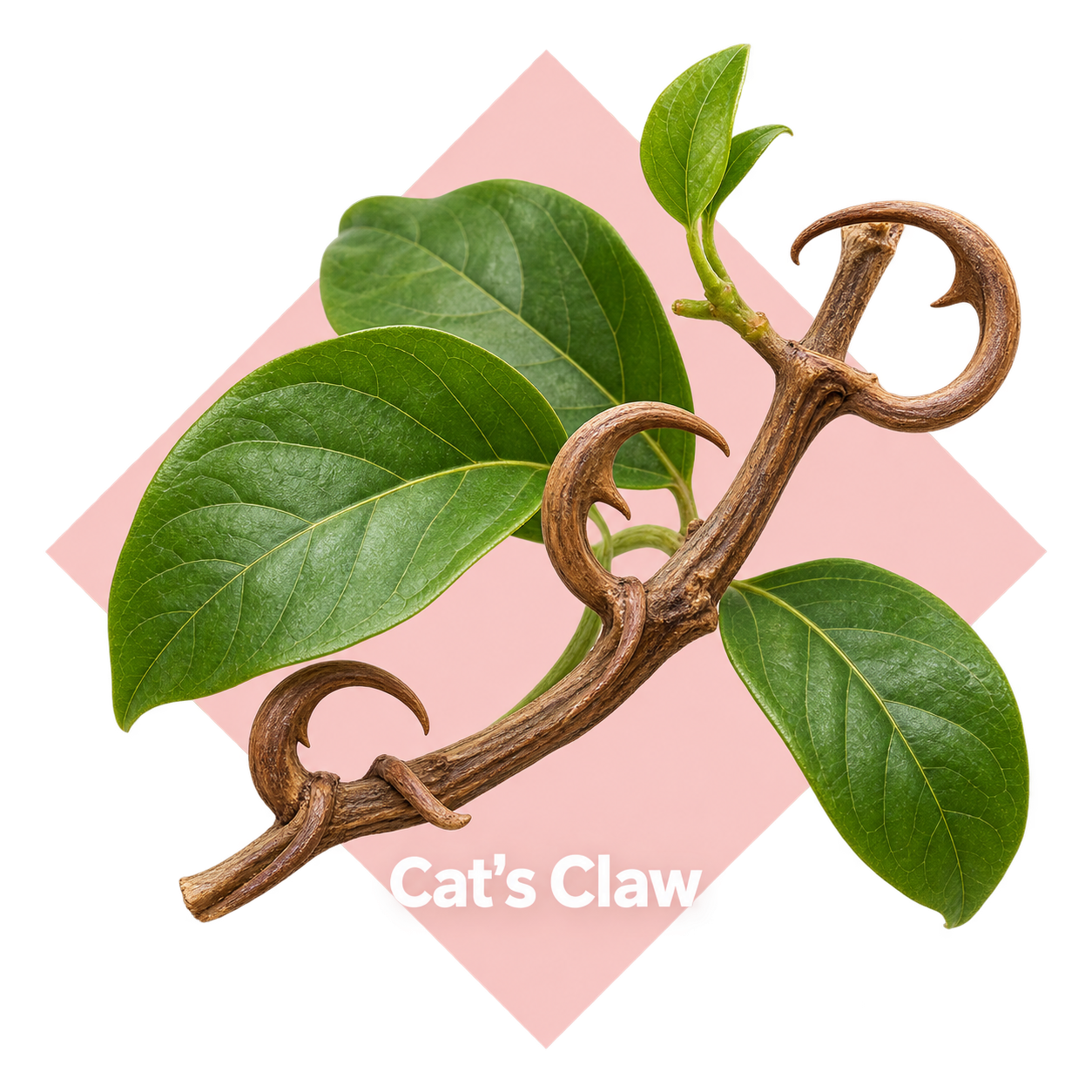
Cat's Claw
Cat’s claw appears as bark in Restolin’s ingredient list. Naming the plant part helps distinguish the capsule ingredient from other preparations using the same common name. It contributes to the formula’s herbal variety alongside graviola, pine bark and the Essiac complex, all within the same combined blend.
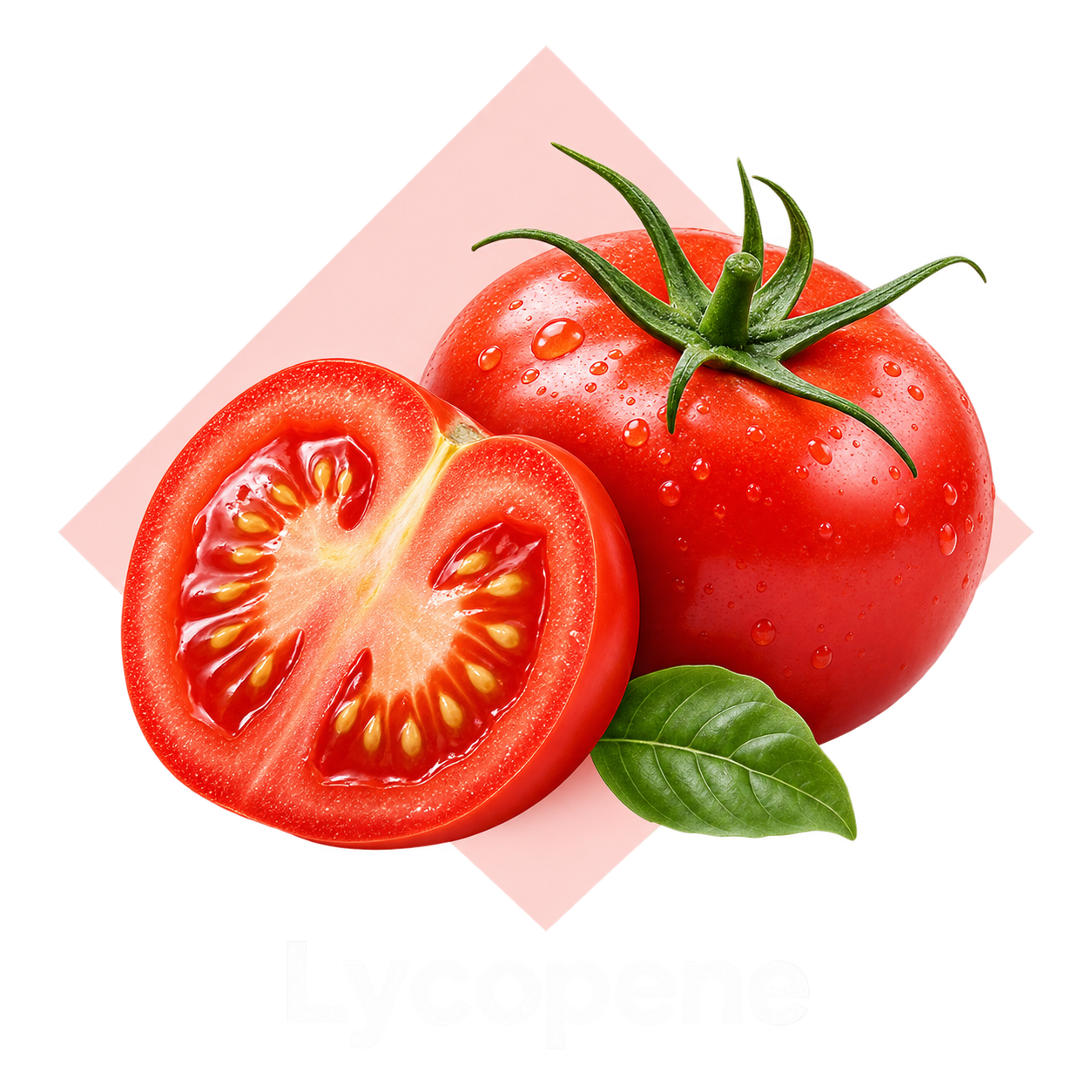
Lycopene
Lycopene is the final named ingredient in the proprietary blend and is described on the label as lycopene 10%. That percentage identifies the ingredient preparation, not its share of the whole capsule. Its individual milligram amount is not separately listed, so it should not be calculated from the total blend weight.
What the Proprietary Blend Number Means
A proprietary blend brings several ingredients under one total weight. In Restolin, that number is 1,512 mg per serving. It is not a promise that each ingredient is present at 1,512 mg, and it cannot be divided equally by the ingredient count to discover their actual amounts. The formula may contain different quantities of its components.
This is useful to know if you are comparing Restolin with a standalone extract. A product listing a specific quantity of green tea or pine bark provides a different kind of detail from a combined blend. Without the separate amounts, a direct dose-for-dose comparison is limited.
The same principle applies to research. An ingredient appearing in a study does not mean every product containing that ingredient reproduces the study’s preparation or serving. Treat the label as a description of this formula, and keep claims about research outcomes separate from the simple fact that an ingredient is present.
Other Ingredients and the Soy Warning
The label lists plant cellulose, magnesium stearate, silicon dioxide and microcrystalline cellulose under other ingredients. These are separate from the measured nutrients and proprietary blend. A complete review includes this part of the label, because preferences and sensitivities can involve more than the ingredients highlighted in a sales presentation.
Restolin also carries an explicit allergen warning: contains soy. That warning takes priority over broad descriptions such as natural or non-GMO. A product can have those characteristics and still be unsuitable for a person with a particular allergy. Check the bottle you receive, and do not assume a vegetable capsule means the entire formula is free from allergens.
For any unclear ingredient or personal restriction, contact product support before using the supplement. The exact label can also be shown to your healthcare professional. Asking about a named ingredient and its form is more useful than asking whether herbal supplements in general are suitable.
Make Your Ingredient Comparison Useful
Start by comparing serving size, then read the measured nutrients, blend and other ingredients in that order. This prevents a one-capsule label from being compared directly with Restolin’s two-capsule serving. It also keeps nutrient quantities separate from the total weight of several ingredients combined.
Next, decide what level of disclosure you need. Restolin provides specific vitamin and selenium amounts and a named list for the blend. If you need an exact quantity for a particular botanical, ask support whether that information is available before ordering. Do not fill the gap with a dose from another brand or a study of a different preparation.
Finally, consider the whole routine. The best ingredient list for you is one that fits your needs, preferences and other products, not simply the list with the most names. Once the formula fits, compare the bottle quantities and prices to choose an appropriate amount of supply.